Understanding Cash for Cars with Mazda Rotarys
If you own an old Mazda with a rotary engine, especially something like an RX-7, RX-8, or even a lesser-known model like the Mazda 323 or Mazda Cosmo, you have probably wondered what to do with it when it stops running or becomes too costly to repair. Leaving a non-running car in the driveway is not ideal. It takes up space, it might leak fluids, and it slowly becomes an eyesore. The good news is that there is a practical way to clear that clutter and get something back in return. The process is often referred to as cash for cars, and it works particularly well for rotary-powered Mazdas because of the strong demand for their used parts.
Car wreckers and auto recycling yards have been around for decades, but not all of them handle specialised vehicles like a Mazda RX-3 or RX-2. Standard scrap metal recycling operations might look at a rotary car and see only a few hundred kilos of steel. They miss the real value sitting under the bonnet. The rotary engine itself, with its unique design and dedicated fan base, can be worth far more than the rest of the car combined. This is where a specialist wrecker, such as those found in Melbourne and other parts of Australia, makes a difference. They know exactly what to look for and are willing to pay accordingly.
Why Rotary Cars Are Different
Most everyday cars end up at a standard scrapyard, where they are crushed and shredded within hours. For a Mazda with a rotary engine, that would be a tragedy. The rotary engine is not like a conventional piston engine. It uses a triangular rotor instead of cylinders and pistons, which gives it a distinctive sound and a power curve that enthusiasts love. Because Mazda stopped mass-producing rotary engines after the RX-8, the supply of new parts dried up years ago. That leaves the second-hand market as the primary source for anyone keeping an RX-7 or RX-3 on the road.
This scarcity is exactly why cash for cars programs aimed at rotary vehicles make so much sense. A specialist wrecker will dismantle the car methodically, removing the engine, transmission, and any salvageable components. They test what they can, clean and catalogue the rest, and then make those parts available to mechanics and hobbyists who need them. A good condition rotary engine core can sell for several thousand dollars. Even a seized engine has value because its internal housings and rotors can be reused or rebuilt. The same applies to the gearbox, the alternator, and the rare body panels.
For the car owner, this means the offer you get from a specialist will almost always beat what a general scrap metal recycler would give you. General recyclers pay by weight and have no interest in the specific brand or model. They see a junk car, not a parts treasure chest. A wrecker that focuses on Mazda rotarys sees the opposite. They consider the resale potential of every component and factor that into their quote. That is where the phrase cash for cars takes on real meaning for a Mazda owner.
What to Expect When You Sell
The process is straightforward. You contact a wrecker, describe what you have, and send them a few photos. They will ask about the model, the year, the engine condition, and whether the car still runs. They also want to know if the car has any major damage or missing parts. Based on that information, they give you a price. If you accept, they arrange car removal. In most cases, they will come to your home or workshop with a tow truck and take the vehicle away for free. Some even pay you on the spot. That is the core of the cash for cars model: you get paid, and they handle the logistics.
It is worth noting that not every old Mazda qualifies for top dollar. A rusty, incomplete shell with no engine and a smashed interior will only fetch scrap value. But if the car is mostly intact, especially if it still has its original rotary engine and transmission, the price can be surprisingly good. Models like the Mazda RX-7 and RX-8 hold the highest demand, but even the less common ones like the RX-2, RX-3, and Mazda Cosmo attract interest. The Mazda 323, while not a rotary model, can still be worth something if it is in reasonable condition, because some parts cross over or are sought after by budget-minded drivers.
Where the Parts Go
Once the wrecker takes possession of the vehicle, they begin the dismantling process. The car is drained of fluids. Hazardous materials like batteries and old tyres are disposed of properly. Then the usable parts are removed by hand. The rotary engine is extracted carefully, along with its ancillaries. The gearbox, the driveshaft, the alternator, the starter motor, and the cooling system components are all inspected. Items that are still serviceable are cleaned, tested, and listed for sale. Items that are worn out but rebuildable are set aside for core exchange programs. What cannot be used is sent for scrap metal recycling.
This system is a prime example of auto recycling in action. It keeps thousands of kilograms of metal and plastic out of landfill every year. It also provides a source of green auto parts for people who are trying to keep their old car on the road instead of buying a new one. From an environmental perspective, it is hard to beat. Manufacturing a new part requires energy and raw materials. Reusing an existing part uses almost none. For the Mazda community, this is especially important because many of these cars are now decades old and new old stock parts are almost impossible to find.
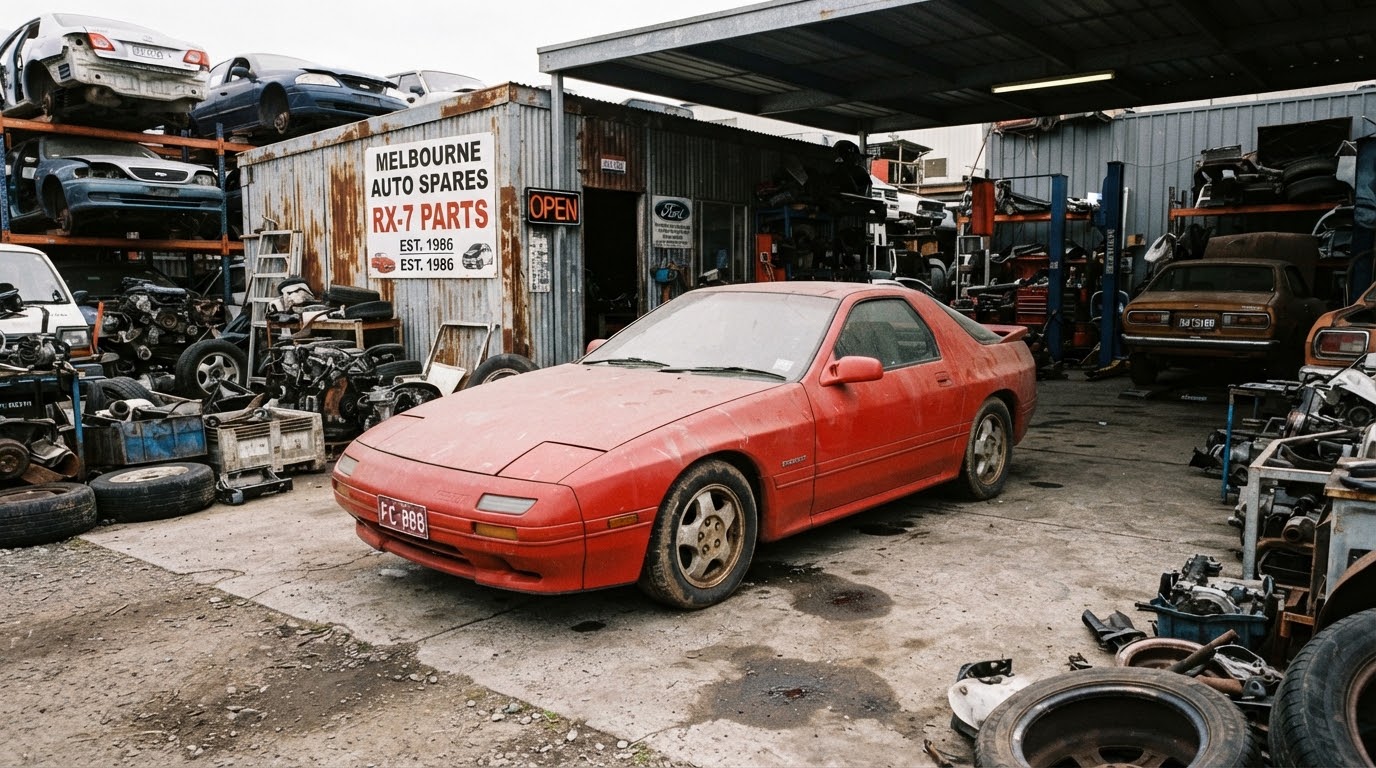
Some wreckers also attend auto salvage auctions to acquire vehicles that are about to be scrapped. They bid on lots that include rotary cars, sometimes buying them sight unseen. That takes experience and a good eye, but it shows how committed these businesses are to keeping the supply of used parts flowing. For the seller, this means there is always a buyer somewhere, even for a car that seems like it has no future.
Don't Overlook the Local Dealerships
Mazda dealerships themselves are not usually in the business of buying old, non-running cars. Their focus is on selling new vehicles and servicing current models. However, some dealerships in Melbourne and across Australia have referral arrangements with local wreckers. If you walk into a dealership and ask about disposing of an old RX-7, they might give you the number of a wrecker they trust. It is worth asking, because dealerships see a lot of trade-ins and sometimes they just want the old car gone. They might even offer you a small amount of cash for cars on the spot, though in practice it is usually the wrecker who pays you.
That said, dealing directly with a specialist wrecker is almost always the better option. You cut out the middleman, and you are talking to someone who understands exactly what your car is worth. A dealership is not going to dismantle your RX-3 and sell the parts. They will call a wrecker anyway. So you might as well call the wrecker yourself and keep the full amount.
A Few Practical Tips
- Before you call, gather the car's details: model, year, VIN, engine type, and a honest assessment of its condition. Photos of the engine bay and the interior help a lot.
- Check if the car still has its keys and any service records. That adds a bit of trust for the buyer.
- If the car has a rare option like a factory turbo or a manual transmission, mention it. Those details can increase the offer.
- Be realistic about the price. A non-running car with a blown engine is not going to fund your holiday, but it might cover a few weekends of work on your next project.
- Ask the wrecker whether they handle the paperwork for deregistration. In Australia, you usually need to notify the transport authority that the vehicle has been scrapped. A good wrecker will take care of that for you.
The Bottom Line
Old cars do not have to be a burden. For owners of Mazda rotary vehicles in Melbourne and elsewhere in Australia, there is a clear path to turn that non-runner into cash and free up space in your garage. The cash for cars model works because it aligns the interests of the seller and the buyer. You want a fair price and hassle-free removal. The specialist wrecker wants the parts. It is a simple exchange that benefits both sides and keeps the rotary community supplied with the components they need to keep these iconic cars on the road.
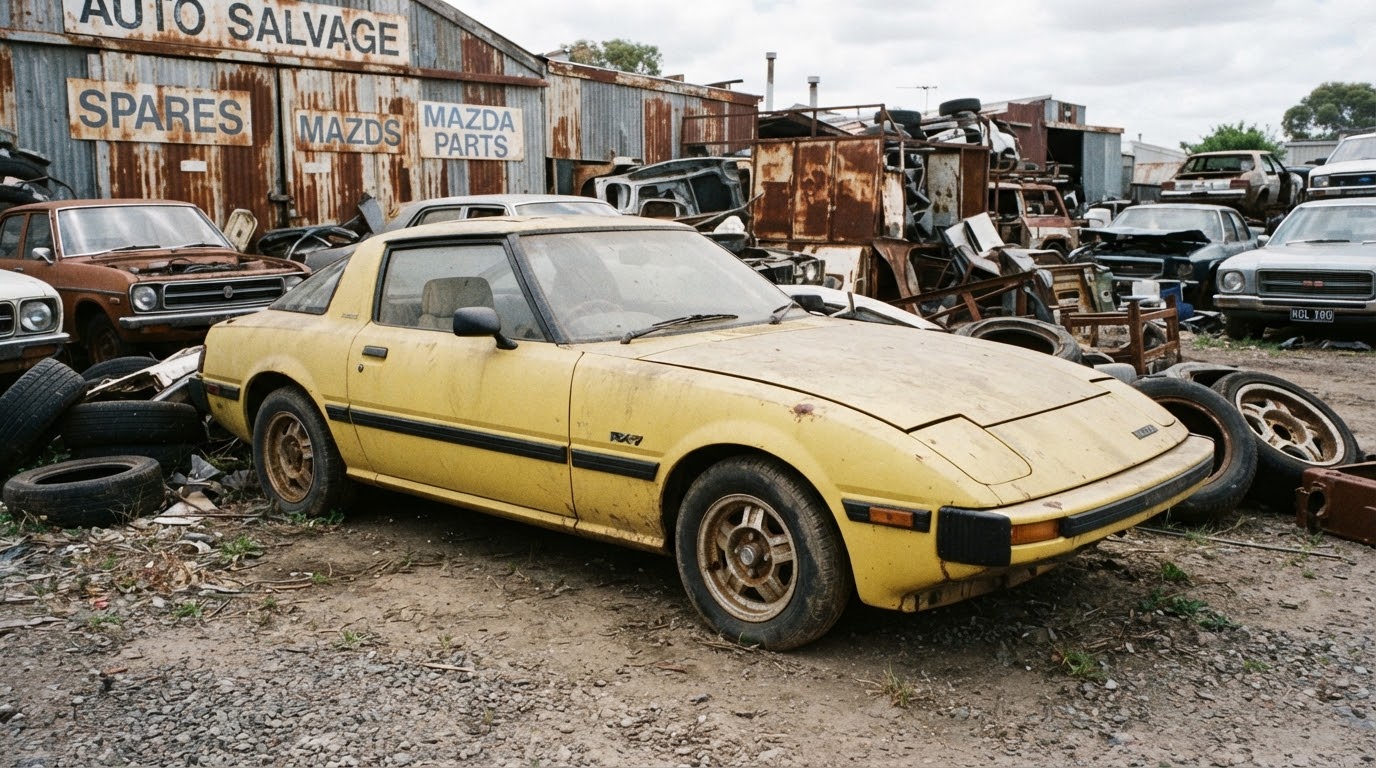
If you have a Mazda RX-7, RX-8, RX-3, RX-2, Mazda Cosmo, or even a Mazda 323 that has reached the end of its life, do not just leave it to rust. Look up a wrecker that specialises in rotary engines and ask for a quote. You might be surprised how much value is still sitting in that old chassis. And when you do, you will be participating in a system that has been around for decades and shows no signs of slowing down. That is the real strength of the cash for cars approach: it turns what would otherwise be waste into a resource that keeps the hobby alive.
Ends · THECASHCARSNEST